Chi siamo

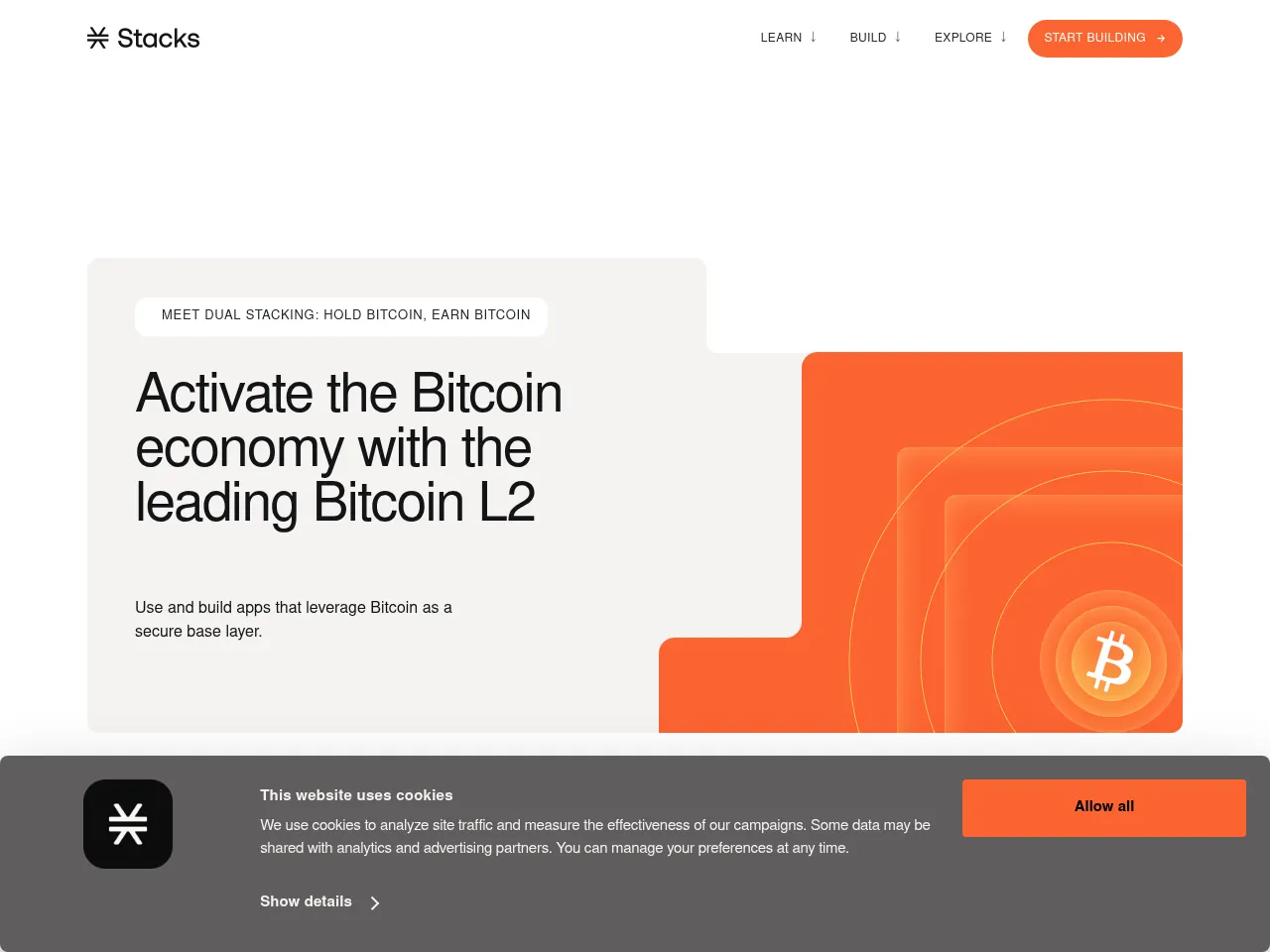
Stacks è una blockchain Layer 1 che porta contratti intelligenti e applicazioni decentralizzate a Bitcoin. A differenza delle sidechains, Stacks salda tutte le transazioni su Bitcoin attraverso il suo meccanismo di consenso unico Proof of Transfer (PoX), dove i miner spendono BTC per minare blocchi STX e gli stackers di STX guadagnano ricompense in BTC. Questo crea un collegamento economico diretto tra Stacks e Bitcoin senza modificare il protocollo di Bitcoin. Stacks utilizza il linguaggio di contratti intelligenti Clarity, che è decidibile e consente agli sviluppatori di vedere il costo esatto e il comportamento del loro codice prima dell'esecuzione. L'aggiornamento Nakamoto (rilasciato nel 2024) ha portato blocchi veloci, finalità 100% Bitcoin e sBTC, un peg Bitcoin decentralizzato e programmabile che abilita Bitcoin DeFi. L'ecosistema include DEX, protocolli di lending, mercati NFT e progetti correlati a BRC-20, tutti ancorati alla sicurezza di Bitcoin.

Crypto Staking

STX holders can participate in Stacking (PoX consensus) by locking their STX tokens and earning native BTC rewards paid by miners through the Proof of Transfer mechanism.

DeFi

Stacks enables Bitcoin DeFi through Clarity smart contracts and sBTC, with DEXes, lending protocols, and yield opportunities that are anchored to Bitcoin's security.

L1 Blockchains

Stacks is a Layer 1 blockchain that brings smart contracts to Bitcoin using Proof of Transfer consensus, settling all transactions on the Bitcoin network for Bitcoin-grade security.

Token Info STX

Blockchain Stacks (Bitcoin L1)
Consensus Proof of Transfer
Launch Date Jan 14, 2021

Data updated Feb 15 · Source: Statility

3.8
1 reviews
Security & Trust
4.3
Staking Yield
4.2
Fee Structure
3.8
Withdrawal Speed
3.5
User Interface
3.2
Claude Opus 4.6
AI Review
3.8/5

Stacks occupies a unique niche as a smart contract layer anchored to Bitcoin through its innovative Proof of Transfer (PoX) consensus mechanism. By leveraging Bitcoin's security and finality, Stacks enables programmable smart contracts and DeFi applications without modifying Bitcoin's base layer " a compelling value proposition for Bitcoin maximalists seeking expanded functionality.

The staking model is distinctive: STX holders can 'stack' tokens to earn BTC rewards, creating a direct incentive tied to Bitcoin rather than an inflationary native token. This is a genuine differentiator in the staking landscape. The Nakamoto upgrade further strengthened the protocol by introducing faster block times and full Bitcoin finality.

However, the DeFi ecosystem remains relatively nascent compared to Ethereum or Solana, with limited TVL and fewer dApps. The Clarity smart contract language, while designed for security and predictability, presents a steeper learning curve for developers. Regulatory classification of STX also remains a lingering concern given past SEC scrutiny.

Overall, Stacks represents a thoughtful approach to extending Bitcoin's capabilities, though ecosystem maturity and adoption remain works in progress.

Security & Trust
4.3
Staking Yield
4.2
Fee Structure
3.8
Withdrawal Speed
3.5
User Interface
3.2
Feb 15, 2026