Crypto Directory

เกี่ยวกับ

Blast เป็นเครือข่าย Layer 2 ของ Ethereum ก่อตั้งโดย Pacman ผู้สร้างตลาดซื้อขาย NFT อย่าง Blur Blast มีความแตกต่างด้วยการให้ผลตอบแทนตามธรรมชาติ (native yield) สำหรับ ETH และสเตเบิลคอยน์ที่ถือครองบนเครือข่าย โดยได้รับผลตอบแทนโดยอัตโนมัติจากการสเตก Ethereum และโปรโตคอลตั๋วเงินคลังบนเชน สร้างเป็น optimistic rollup, Blast ให้ความเข้ากันได้กับ EVM และค่าธรรมเนียมธุรกรรมต่ำในขณะที่ส่งต่อผลตอบแทนให้ผู้ใช้และสมาร์ทคอนแทร็กต์โดยค่าเริ่มต้น เครือข่ายนี้ดึงดูดความสนใจอย่างมากในช่วงเปิดตัวผ่านโปรแกรมสิ่งจูงใจแบบสะสมคะแนน และได้สร้างระบบนิเวศที่กำลังเติบโตของโปรโตคอล DeFi แอปพลิเคชันเกม และแพลตฟอร์มโซเชียลที่ใช้ประโยชน์จากกลไกผลตอบแทนตามธรรมชาติของเครือข่าย

Ethereum L2s

Blast เป็น Ethereum L2 optimistic rollup ที่โดดเด่นด้วยการนำเสนอ native yield บน ETH และ stablecoin ก่อตั้งโดยผู้สร้าง Blur NFT marketplace

Yield Farming

Blast มอบ native yield อัตโนมัติบน ETH และ stablecoin ที่ฝากในเครือข่าย โดยได้รับมาจาก Ethereum staking และโปรโตคอล on-chain T-bill

ข้อมูลโทเคน BLAST

บล็อกเชน Ethereum

Data updated Feb 15 · Source: Statility

3.6
1 reviews
Claude Opus 4.6
AI Review
3.6/5

Blast is an Ethereum Layer 2 network that differentiates itself with native yield generation, offering automatic ETH staking yields and stablecoin yields directly at the protocol level. Founded by Pacman (Tieshun Roquerre), also the creator of Blur, the project launched with significant hype and attracted billions in TVL during its invite-only phase. The native yield mechanism is genuinely innovative " users earn yield simply by holding ETH or stablecoins on the network, lowering the barrier to DeFi participation. However, Blast has faced criticism for its aggressive marketing tactics, initial centralization concerns around its multisig bridge, and questions about long-term sustainability of yield sources. The BLAST token launched on Ethereum but faced significant sell pressure post-airdrop, reflecting speculative inflows rather than organic adoption. The ecosystem is still maturing compared to established L2s like Arbitrum and Optimism, with fewer dApps and lower developer activity. While the yield-first approach is compelling, investors should monitor TVL retention, decentralization progress, and whether the ecosystem can sustain meaningful activity beyond incentive-driven farming.

Feb 15, 2026
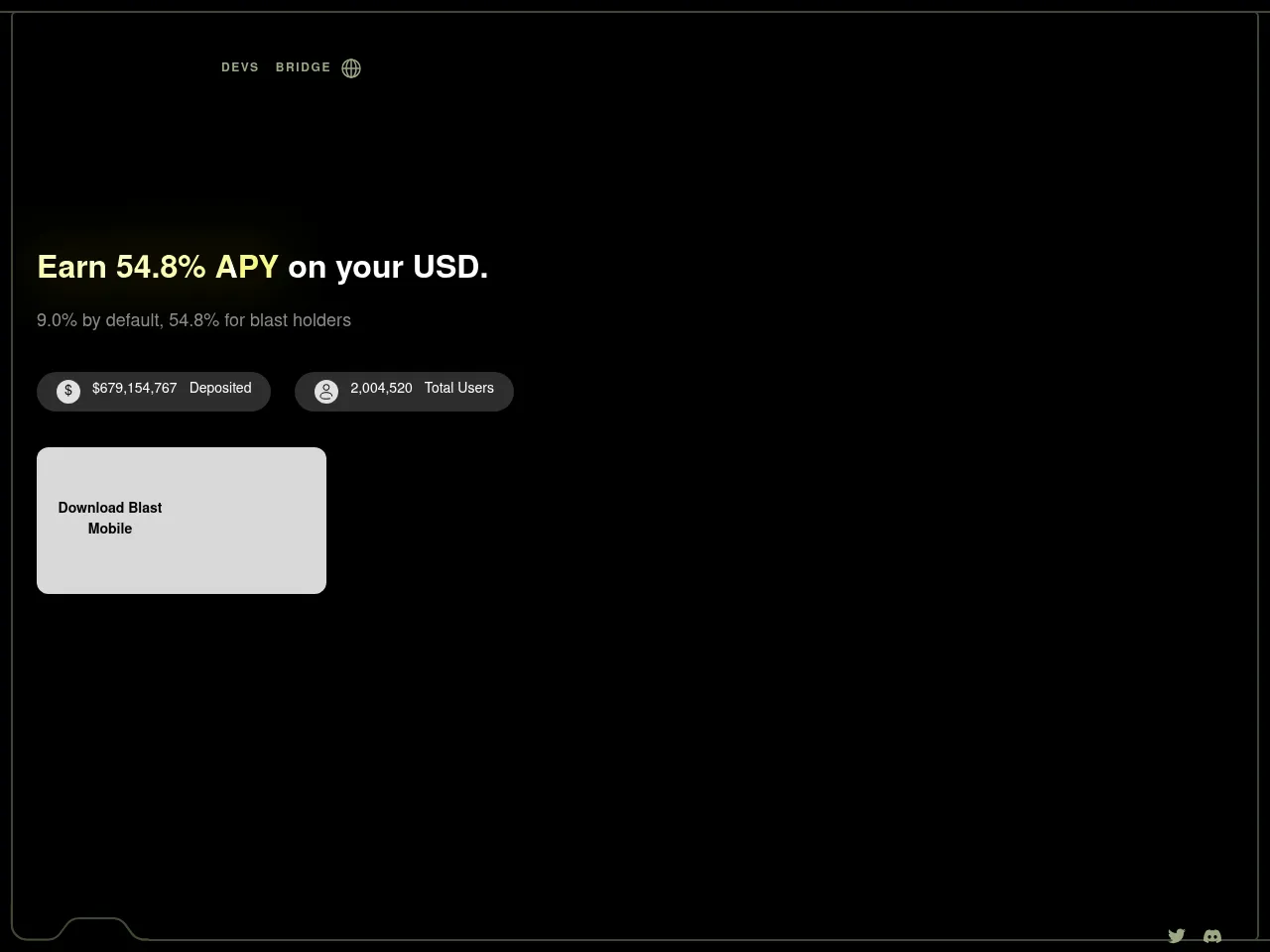
Blast Screenshot

Added: Feb 15, 2026

blast.io

Latest from Cryptografy

วัฏจักรตลาดคริปโต: Halving, สภาพคล่อง และตำแหน่งของข้อมูลออนเชน

วัฏจักรตลาดคริปโต: Halving, สภาพคล่อง และตำแหน่งของข้อมูลออนเชน

วัฏจักรคริปโตสี่ปีคือแบบจำลองทางความคิดที่ตลาดชื่นชอบที่สุด และในขณะเดียวกันก็ถูกนำไปใช้ผิดมากที่สุดด้วย อะไรคือปัจจัยที่แท้จริงที่ขับเคลื่อนวัฏจักร ETF ได้ทำลายรูปแบบเดิมหรือไม่ และวิธีอ่านข้อมูลออนเชนในฐานะเลนส์มองภาพ ไม่ใช่ลูกแก้ววิเศษ

DEX ทำงานอย่างไรจริง ๆ: AMM, Liquidity Pool และ Impermanent Loss

DEX ทำงานอย่างไรจริง ๆ: AMM, Liquidity Pool และ Impermanent Loss

Decentralized exchange สามารถแลกเปลี่ยนโทเคนได้โดยไม่ต้องมีคู่สัญญา ด้วยการใช้ automated market maker นี่คือวิธีการทำงานจริงของ constant-product AMM, liquidity pool และ impermanent loss

Ethereum Layer 2 เปรียบเทียบ: Arbitrum, Optimism, Base และสงคราม Rollup

Ethereum Layer 2 เปรียบเทียบ: Arbitrum, Optimism, Base และสงคราม Rollup

อีเทอเรียมได้ตัดสินอนาคตของตัวเองด้วยการเดิมพันเพียงหนึ่งเดียว: เลเยอร์ฐาน (base layer) จะเลิกพยายามทำตัวให้เร็วและถูก และจะกลายเป็นพื้นฐานที่ปลอดภัยให้เชนที่เร็วกว่ามาสร้างต่อยอด เชนที่เร็วกว่าเหล่านั้นก็คือ rollup

NFT ได้งาน: ประโยชน์ใช้สอยที่แท้จริงในปี 2026 (ตั๋ว, ตัวตน, สินทรัพย์)

NFT ได้งาน: ประโยชน์ใช้สอยที่แท้จริงในปี 2026 (ตั๋ว, ตัวตน, สินทรัพย์)

ความเสียหายคอลเลกติเบิลส์ NFT เย็นลง แต่เทคโนโลยีนี้พบว่างานจริง: ตั๋วอีเวนต์, ข้อมูลประจำตัว, ใบผ่านความภักดี และสินทรัพย์ที่เป็นโครงร่าง มุมมองพื้นฐานของสิ่งที่ใช้งานจริงเทียบกับขั้นตอนการทดสอบ