 Powered by Rexiew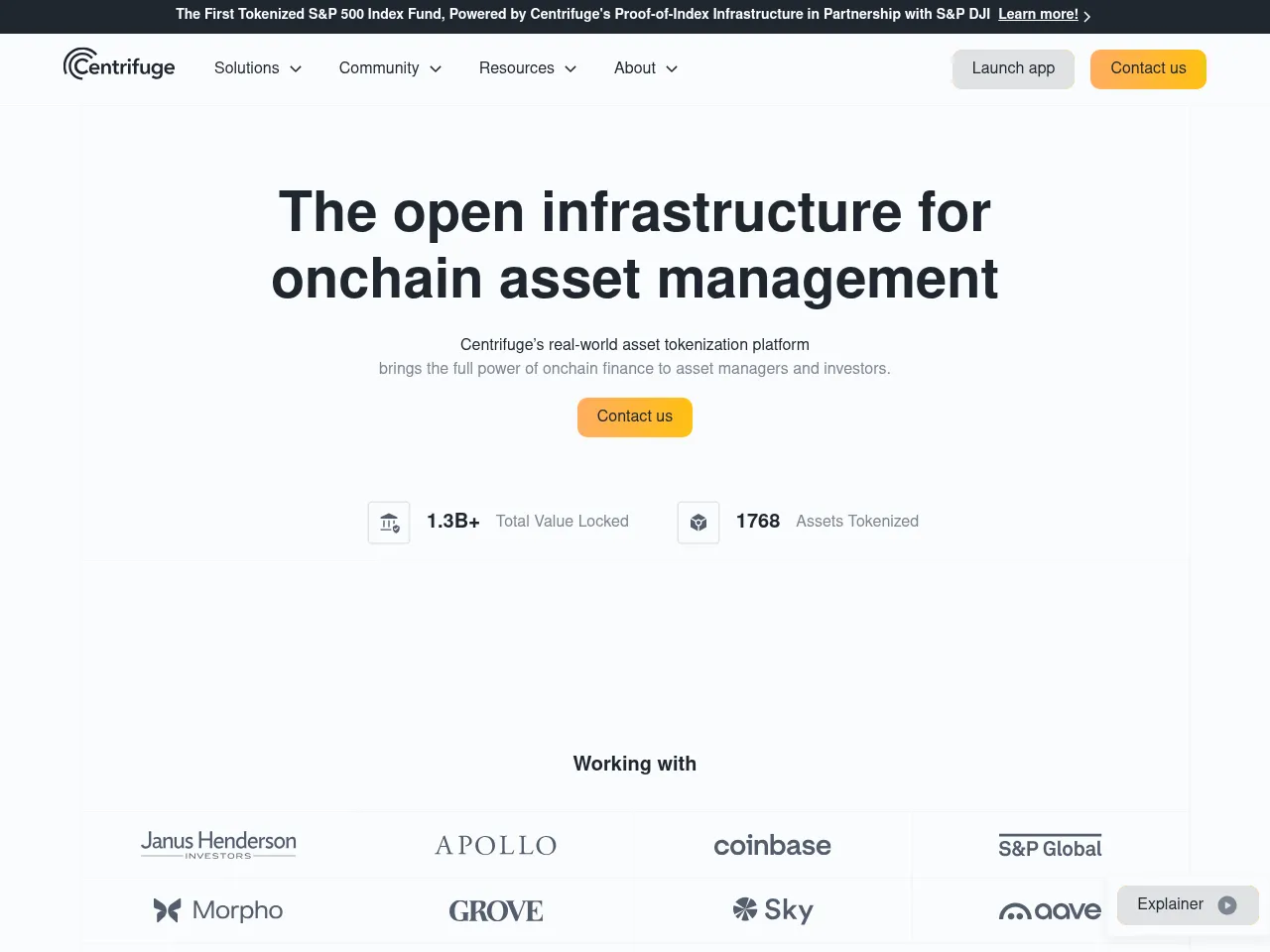
加密市场周期:减半、流动性,以及链上数据的定位
四年加密周期是市场最喜爱的思维模型,也是被滥用得最多的模型。究竟是什么真正驱动了周期、ETF是否打破了这一规律,以及如何将链上数据当作一种观察视角,而非水晶球来解读。

Centrifuge 是一个先驱性的 RWA DeFi 协议,将现实资产与链上资本市场相连接,为现实资产代币化和融资提供基础设施。
Centrifuge 的借贷应用在以太坊上运营,将其基于 Substrate 的链与以太坊 DeFi 连接以用于现实资产融资。
Centrifuge 通过将现实资产代币化为抵押品,使现实借款人能够接入 DeFi 流动性,同时链上借款人从现实现金流中获得收益。
Centrifuge occupies an important niche in DeFi by tackling one of the sector's most meaningful challenges: bridging real-world assets (RWAs) onto the blockchain. The protocol's Tinlake platform (now evolved into its broader Centrifuge App) allows asset originators to tokenize tangible assets like trade receivables and real estate loans, creating structured pools that DeFi investors can fund. This is genuinely innovative and addresses a real market need—most DeFi still revolves around crypto-native assets. The MakerDAO integration was a significant milestone, channeling real institutional capital through the protocol. However, Centrifuge faces real hurdles: the complexity of legal structures around tokenized assets creates friction, liquidity in many pools can be thin, and the user experience still feels niche and somewhat opaque for newcomers. Regulatory uncertainty around RWA tokenization remains a persistent overhang. The protocol is building something substantive, but adoption has been slower than the RWA narrative might suggest, and smart contract risk layered on top of real-world credit risk creates compounding uncertainties.
Latest from Cryptografy

四年加密周期是市场最喜爱的思维模型,也是被滥用得最多的模型。究竟是什么真正驱动了周期、ETF是否打破了这一规律,以及如何将链上数据当作一种观察视角,而非水晶球来解读。

去中心化交易所通过自动做市商(AMM)在没有交易对手方的情况下进行代币兑换。以下是恒定乘积AMM、流动性池以及无常损失的实际运作原理。

以太坊将其未来押注在了一件事上:基础层不再追求快速与低成本,而是转变为更快的链得以构建其上的安全基石。这些更快的链,就是rollup。

NFT收藏品热潮冷却,但该技术找到了真正的用途:活动门票、凭证、忠诚度通行证和代币化资产。深入了解现场实施与试点阶段的区别。